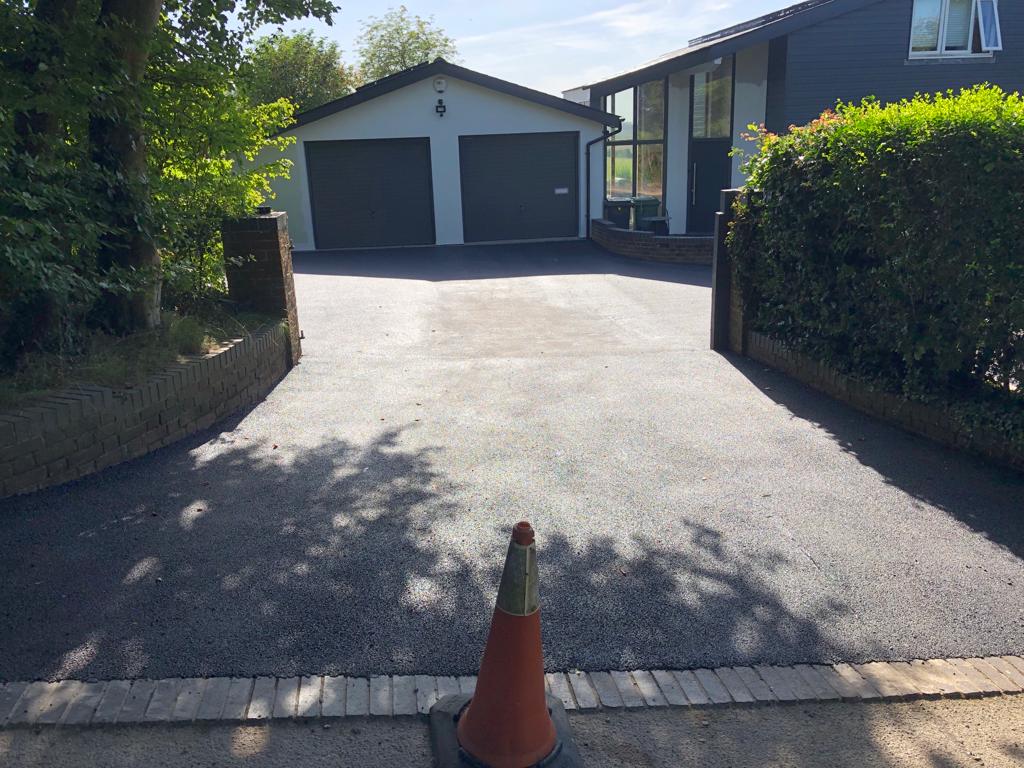
An asphalt surface that once provided smooth, comfortable vehicle access can gradually begin feeling rough, uneven or noticeably different under tyres. You might experience increased vibration when driving across it, hear more tyre noise than usual or notice that certain sections no longer feel as consistent as they once did.
These changes are often early indications of surface deterioration. Asphalt naturally experiences wear from traffic, weather exposure and ageing, but increasing roughness can also suggest problems with the pavement structure underneath. Understanding the difference is important because the appropriate repair depends on what is causing the surface to deteriorate.
For property owners and businesses in Aratula, QLD, recognising the early signs of asphalt wear can help prevent minor defects from developing into more extensive pavement damage. Professional assessment can determine whether the surface requires localised repairs, resurfacing or attention to the supporting base.
What Causes an Asphalt Surface to Become Rough?
Asphalt is designed to provide a durable, relatively smooth surface for vehicle movements. Its performance depends on the quality of the asphalt mixture, correct installation, adequate compaction and a stable foundation.
Over time, repeated vehicle loading and environmental exposure can affect the condition of the wearing surface. The asphalt binder may gradually harden, aggregate can become exposed, and small defects can develop into noticeable irregularities.
However, not every rough surface has the same underlying problem. Some pavements become coarse because their upper layer is wearing away, while others develop bumps and depressions because the supporting material has started moving.
Identifying which process is occurring is essential before selecting a repair method.
1. The Asphalt Surface Is Beginning to Ravel
Ravelling is one of the most common reasons an ageing asphalt surface becomes noticeably rough.
It occurs when the bond between the asphalt binder and aggregate begins to deteriorate, allowing individual particles to loosen and separate from the surface.
As aggregate is gradually lost, the pavement develops a more open and irregular texture. Vehicle tyres can then produce additional noise and vibration when travelling across the affected area.
Early signs of ravelling include:
- Small loose stones appearing on the pavement
- Increasingly coarse surface texture
- Areas where aggregate appears more exposed
- Small pits forming between aggregate particles
- Progressive deterioration in frequently used wheel paths
If ravelling is identified early, the pavement may still be suitable for maintenance or resurfacing. However, extensive material loss should be assessed to determine whether deterioration has affected deeper layers.
2. The Asphalt Binder Has Aged
The bitumen binder in asphalt holds aggregate together and contributes to the pavement’s flexibility.
As asphalt ages, exposure to oxygen, sunlight and changing temperatures gradually alters the properties of the binder. This process is commonly referred to as oxidation.
Over time, the binder can become harder and less flexible, making the surface more susceptible to cracking and aggregate loss.
An ageing asphalt surface may also appear lighter or more weathered than it did when first installed.
Colour changes alone do not necessarily indicate serious deterioration. However, when they occur alongside increasing roughness, loose aggregate or cracking, they may suggest that the wearing surface is approaching the stage where maintenance is appropriate.
3. Small Cracks Are Creating an Uneven Driving Surface
Cracks do not need to be particularly large before they affect how an asphalt surface feels under tyres.
Fine cracks may initially be difficult to notice, especially across larger driveways, roads or hardstands. As traffic continues passing over them, the edges can gradually deteriorate.
Eventually, small sections of asphalt may begin breaking away, creating irregularities that become noticeable during vehicle movements.
Cracking can result from several conditions, including ageing asphalt, repeated loading, thermal movement and instability within the supporting pavement.
The important consideration is whether the cracks are limited to the surface or indicate movement underneath.
Professional inspection can help determine whether localised crack repairs are appropriate or whether more extensive work is required.
4. Wheel Ruts Are Beginning to Develop
Wheel rutting occurs when repeated traffic creates depressions along frequently travelled sections of pavement.
These depressions can develop through deformation within the asphalt, movement in the supporting layers or a combination of both.
Although shallow ruts may initially appear insignificant, they can gradually make the surface feel uneven.
Drivers may notice that tyres follow established wheel tracks or that the vehicle moves slightly when crossing from one section to another.
Ruts can also collect rainfall, increasing the likelihood of moisture entering existing cracks.
If the underlying pavement is deforming, simply applying another asphalt layer may not provide a lasting solution. The affected area should be assessed to determine whether structural repairs are necessary.
5. Potholes Are Starting to Form
Potholes often develop after cracks, moisture penetration or localised pavement weakness have already affected the asphalt.
As vehicle tyres repeatedly travel across weakened material, sections can break away and leave depressions.
Even small potholes can create noticeable impacts and vibration when vehicles pass over them.
A pothole may also indicate that the pavement immediately surrounding it has begun deteriorating.
Professional pothole repairs involve removing unsuitable material, checking the supporting pavement and reinstating the damaged area with appropriate preparation and compaction.
Addressing potholes before they enlarge can help protect adjoining asphalt from further breakdown.
6. The Supporting Base Is Becoming Unstable
Not every rough asphalt surface is caused by deterioration within the wearing layer.
Sometimes, the problem begins beneath the asphalt.
The pavement base is responsible for distributing vehicle loads and supporting the surface above. If this material becomes unstable, poorly supported sections may begin moving under traffic.
This movement can eventually appear as cracking, depressions, settlement or uneven areas.
Common warning signs include:
- Depressions that gradually become deeper
- Cracks repeatedly appearing in the same location
- Localised sinking
- Potholes returning after previous repairs
- Uneven sections developing without obvious surface wear
Where these symptoms are present, a professional assessment should consider the supporting pavement rather than focusing exclusively on the asphalt surface.
7. Poor Drainage Is Accelerating Surface Deterioration
Water can contribute significantly to asphalt deterioration, particularly when it enters cracks or reaches vulnerable pavement layers.
A correctly constructed surface should have suitable falls that allow rainfall to move away from the main trafficked area.
However, settlement, rutting or changes in surrounding ground levels can cause water to collect in depressions.
If moisture penetrates the pavement and weakens the base, repeated vehicle loading may accelerate cracking and deformation.
For asphalt surfaces in Aratula, maintaining effective drainage is an important part of protecting pavement condition.
Signs worth investigating include standing water, recurring damp areas, deterioration around drainage points and cracks developing near depressions.
8. Heavy Traffic Is Wearing Particular Sections
Different parts of an asphalt pavement rarely experience identical levels of traffic.
Driveway entrances, turning areas, parking spaces and frequently travelled wheel paths may receive significantly more loading than surrounding sections.
Repeated braking and steering movements can also place additional stress on the surface.
As a result, these areas may become rough or uneven before the rest of the pavement shows substantial deterioration.
The expected traffic should be considered when assessing repairs, particularly where heavier vehicles or machinery regularly use the area.
A suitable repair should account for the loads the pavement will continue experiencing.
9. Previous Repairs Are Beginning to Deteriorate
Older asphalt repairs can sometimes become noticeable as the surrounding pavement ages.
A repaired section may settle, crack around its edges or develop a different surface profile from the original asphalt.
This does not automatically indicate that the repair was completed incorrectly. The surrounding pavement may have continued deteriorating, or underlying movement may have affected the repaired area.
However, repeated failure in the same location is worth investigating.
Where a patch becomes rough or uneven shortly after repair, the condition of the supporting base and adjoining pavement should be assessed before further material is installed.
10. The Asphalt Was Not Properly Compacted
Compaction plays an essential role in the performance of asphalt pavement.
During installation, asphalt must be compacted to achieve the density required for its intended use.
If sections are inadequately compacted, they may contain excessive air voids or continue consolidating under traffic. This can contribute to surface deformation, moisture penetration and premature deterioration.
Poor compaction within the supporting base can create similar problems.
Professional asphalt installation involves preparing and compacting the pavement layers correctly so that the finished surface has consistent support.
How Can You Tell Whether Roughness Is Surface Wear or Structural Damage?
The appearance and behaviour of the pavement can provide useful clues.
Surface wear often produces a coarse texture, exposed aggregate or loose stones while the pavement remains relatively level.
Structural problems are more likely to produce noticeable depressions, significant cracking, settlement or recurring potholes.
The following distinctions can help:
| What You Notice | What It May Indicate |
| Coarse texture and loose stones | Surface ravelling |
| Weathered asphalt with fine cracking | Ageing binder or surface deterioration |
| Depressions in wheel paths | Rutting or pavement deformation |
| Localised sinking | Possible base instability |
| Recurring potholes | Unresolved pavement weakness or moisture damage |
| Water collecting in low areas | Drainage or pavement-profile problems |
| Roughness around old patches | Repair deterioration or continuing pavement movement |
These observations are useful starting points, but they do not replace a professional pavement assessment.
Can Rough Asphalt Be Repaired Without Replacing the Entire Surface?
In many situations, rough asphalt can be improved without complete reconstruction.
The appropriate treatment depends on the extent of deterioration and whether the underlying pavement remains structurally sound.
Where roughness is caused by isolated defects, localised repairs may be sufficient.
If the wearing surface has deteriorated across a larger area but the supporting pavement remains stable, asphalt resurfacing may be an effective solution.
Resurfacing involves preparing the existing pavement, repairing unsuitable sections and installing a new asphalt wearing course.
However, where roughness results from widespread base failure, significant settlement or persistent structural movement, additional preparation or reconstruction may be necessary.
The objective is to correct the cause of the deterioration rather than simply conceal the visible symptoms.
When Should You Arrange an Asphalt Inspection?
It is worth arranging an assessment when the surface begins changing noticeably or defects are becoming progressively worse.
Particular warning signs include:
- Increasing tyre vibration or road noise
- Loose aggregate appearing regularly
- Cracks spreading across the pavement
- Potholes beginning to develop
- Wheel ruts becoming more pronounced
- Water collecting in new locations
- Uneven areas affecting vehicle movements
- Previous repairs deteriorating repeatedly
An early inspection can help identify whether maintenance is appropriate before the affected area becomes more extensively damaged.
How Professional Asphalt Resurfacing Restores Surface Quality
Where the existing pavement remains suitable, professional asphalt resurfacing can restore a smoother, more consistent wearing surface.
The process begins with assessing the condition of the pavement and identifying defects requiring attention.
Damaged sections may need to be repaired, uneven areas prepared and drainage conditions reviewed before new asphalt is installed.
The new wearing course is then laid and compacted to create a consistent finished surface.
Correct preparation is particularly important because resurfacing cannot reliably correct structural problems that remain underneath.
At Aratula Asphalt & Bitumen Surfacing, we consider the condition of the existing pavement, traffic requirements and potential causes of deterioration when assessing asphalt repair and resurfacing work.
This approach helps determine whether the surface can be restored through localised repairs or whether broader resurfacing is appropriate.
Conclusion
An asphalt surface that begins feeling rough under tyres may be showing early signs of ravelling, binder ageing, cracking, rutting or localised pavement deterioration. In some cases, the problem is limited to the wearing surface. In others, increasing roughness may indicate drainage issues or instability within the supporting base.
Recognising these differences is important because the most appropriate repair depends on the actual condition of the pavement.
Addressing deterioration early can help preserve serviceable asphalt, improve vehicle access and reduce the likelihood of small defects developing into more extensive damage.
For property owners and businesses in Aratula, QLD, Aratula Asphalt & Bitumen Surfacing provides professional asphalt and bitumen surfacing, repairs and resurfacing services. If your driveway, road, hardstand or access area is becoming increasingly rough or uneven, contact our team to arrange an assessment and discuss the most suitable approach to restoring a smoother, more dependable surface.
Call us on: 07 5241 1492
Click here to find out more about Aratula Asphalt & Bitumen Surfacing
Click here to complete our contact form and see how we can help with your Asphalt and Bitumen Surfacing needs.