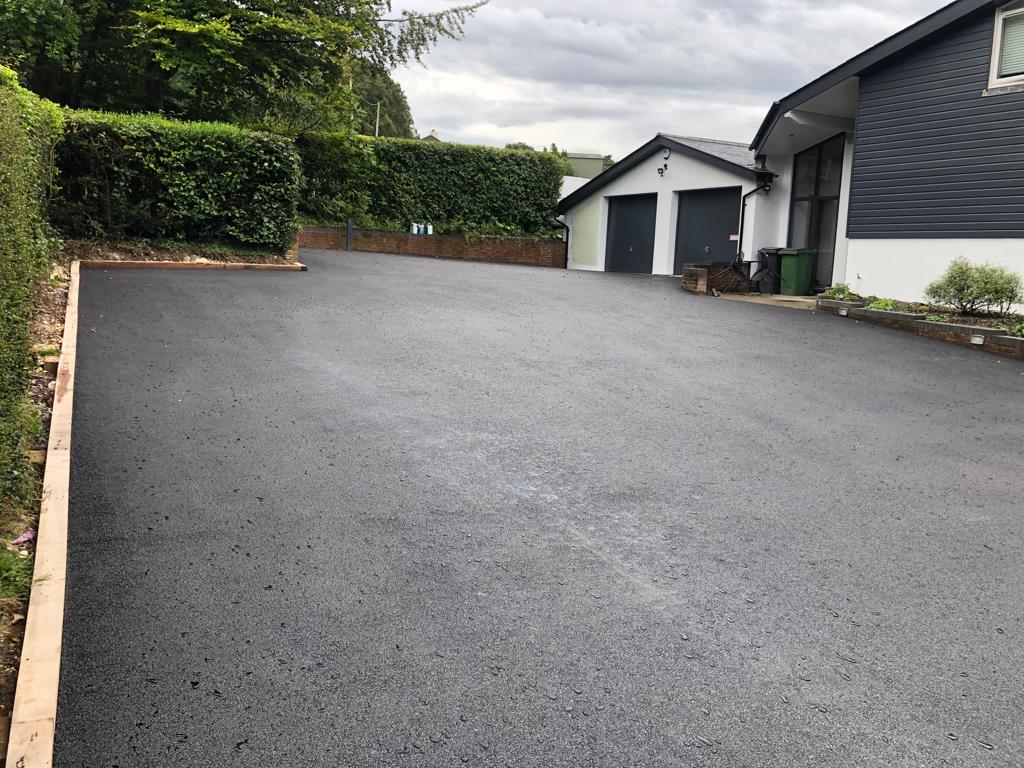
When looking at a completed asphalt driveway, road or hardstand, attention naturally goes to the smooth surface on top. However, much of the pavement’s ability to perform over time comes from the layers underneath it. Asphalt is designed to provide a durable wearing surface, but it cannot compensate for unstable ground or a poorly constructed base.
A stable foundation supports traffic loads, controls movement and helps the asphalt retain its shape. For property owners and businesses in Aratula, QLD, understanding the importance of the foundation can also explain why thorough preparation is such an important part of professional asphalt surfacing and resurfacing.
Asphalt Is Only the Top Part of the Pavement
An asphalt surface is part of a wider pavement structure. Beneath it are prepared layers that provide support and distribute the weight of vehicles into the ground.
Although the exact construction will depend on the site and intended use, a pavement generally relies on three important elements:
- Suitable underlying ground
- A properly prepared and compacted base
- The asphalt wearing surface
These components need to work together. If the layers beneath the asphalt move excessively or lose strength, the visible surface will eventually begin to reflect those problems.
The Foundation Carries Vehicle Loads
Every time a vehicle travels over asphalt, its weight creates stress within the pavement. A strong foundation helps spread that load rather than allowing excessive pressure to remain concentrated in one area.
This becomes particularly important where a surface receives frequent traffic or heavier vehicles. Without adequate support, sections of pavement can begin to deform under repeated loading.
A correctly prepared foundation helps the entire pavement structure work as intended rather than relying on the asphalt layer alone to support traffic.
Poor Foundations Can Lead to Cracking
Cracking is often treated as a surface problem, but the cause may originate underneath the asphalt.
If part of the foundation settles while another area remains stable, the asphalt above is placed under stress. Because the surface is no longer evenly supported, cracks can begin to develop.
Once cracks open, they can provide a route for moisture to enter the pavement. This may further weaken the underlying materials and allow deterioration to progress.
Correct preparation therefore helps reduce one of the underlying causes of premature cracking.
A Stable Base Helps Prevent Rutting and Depressions
Rutting occurs when repeated vehicle movements create permanent wheel paths in the pavement. Depressions can also develop where sections of the foundation settle or compact unevenly.
Both problems affect the smoothness of the surface and can interfere with drainage.
Proper base construction and compaction help provide uniform support across the asphalt. This is particularly important around frequently travelled sections, entrances, parking areas and locations where vehicles regularly turn or stop.
Compaction Is a Critical Part of Preparation
Simply placing base material beneath asphalt does not automatically create a strong foundation. The material needs to be properly compacted.
Compaction reduces voids and helps the pavement layers form a dense, stable structure. If compaction is inconsistent, some areas may settle more than others after the asphalt has been installed.
Professional contractors use appropriate equipment and construction techniques to establish a firm base before surfacing begins. Taking the time to complete this stage correctly can make a substantial difference to long-term pavement performance.
Drainage and Foundation Stability Are Closely Connected
Water can significantly affect the strength of pavement foundations. If moisture is allowed to collect beneath the asphalt, supporting materials may soften, erode or lose stability.
This is why drainage needs to be considered during preparation rather than after the asphalt has already been installed.
Correct grading helps direct surface water away from the pavement. Attention should also be given to low points, edges and surrounding ground conditions that could allow water to enter the foundation.
For asphalt surfaces in Aratula, controlling water is an important part of maintaining stable support beneath the pavement.
The Foundation Must Match How the Surface Will Be Used
A residential driveway and a heavily trafficked vehicle area do not place identical demands on their foundations.
Before constructing an asphalt surface, contractors should consider factors such as:
- Expected vehicle types
- Frequency of traffic
- Turning and braking movements
- Existing ground conditions
- Drainage requirements
- Intended use of the area
Understanding these factors allows the pavement preparation to be suited to the demands that will actually be placed on the finished surface.
What Happens When Asphalt Is Laid Over an Unstable Base?
Problems may not always appear immediately. Newly laid asphalt can initially look smooth even when preparation underneath is inadequate.
As traffic and weather begin affecting the pavement, however, weaknesses can become increasingly visible. Common signs may include cracking, sinking, rutting, uneven areas and recurring potholes.
Repeatedly repairing the surface may provide limited benefit if movement underneath continues. Where foundation problems are suspected, identifying the underlying cause is more useful than repeatedly treating the visible symptom.
Why Foundation Condition Matters When Resurfacing
Foundation stability is not only important when constructing new asphalt. It also needs to be considered before resurfacing an existing pavement.
Placing a new asphalt layer over a structurally unstable surface will not necessarily resolve deeper defects. Existing potholes, failed sections, drainage problems and significant movement may require attention before resurfacing takes place.
A professional assessment can determine whether the existing pavement provides adequate support or whether preparation and repairs are needed first.
This helps ensure the new surface is being installed over conditions that allow it to perform properly.
Good Preparation Supports a Longer-Lasting Surface
A stable foundation cannot prevent every form of pavement ageing, but it gives asphalt the support required to cope with normal traffic and environmental conditions.
When preparation, compaction, drainage and asphalt installation are all completed correctly, loads are distributed more effectively and the likelihood of avoidable movement is reduced.
This is why professional asphalt work should be viewed as a complete pavement process rather than simply the application of a surface layer.
Conclusion
Asphalt needs a stable foundation because the layers beneath the surface provide the structural support that allows the pavement to withstand traffic. Proper preparation helps distribute vehicle loads, reduce settlement, control surface deformation and support effective drainage.
Without that stability, even good-quality asphalt can develop premature cracks, depressions, rutting and potholes as weaknesses underneath begin affecting the surface.
For property owners and businesses in Aratula, QLD, Aratula Asphalt & Bitumen Surfacing can assess existing ground and pavement conditions before undertaking asphalt surfacing or resurfacing. If your current surface is deteriorating or you are planning a new asphalt area, contact our team to discuss the preparation and surfacing approach appropriate for the site.
Call us on: 07 5241 1492
Click here to find out more about Aratula Asphalt & Bitumen Surfacing
Click here to complete our contact form and see how we can help with your Asphalt and Bitumen Surfacing needs.